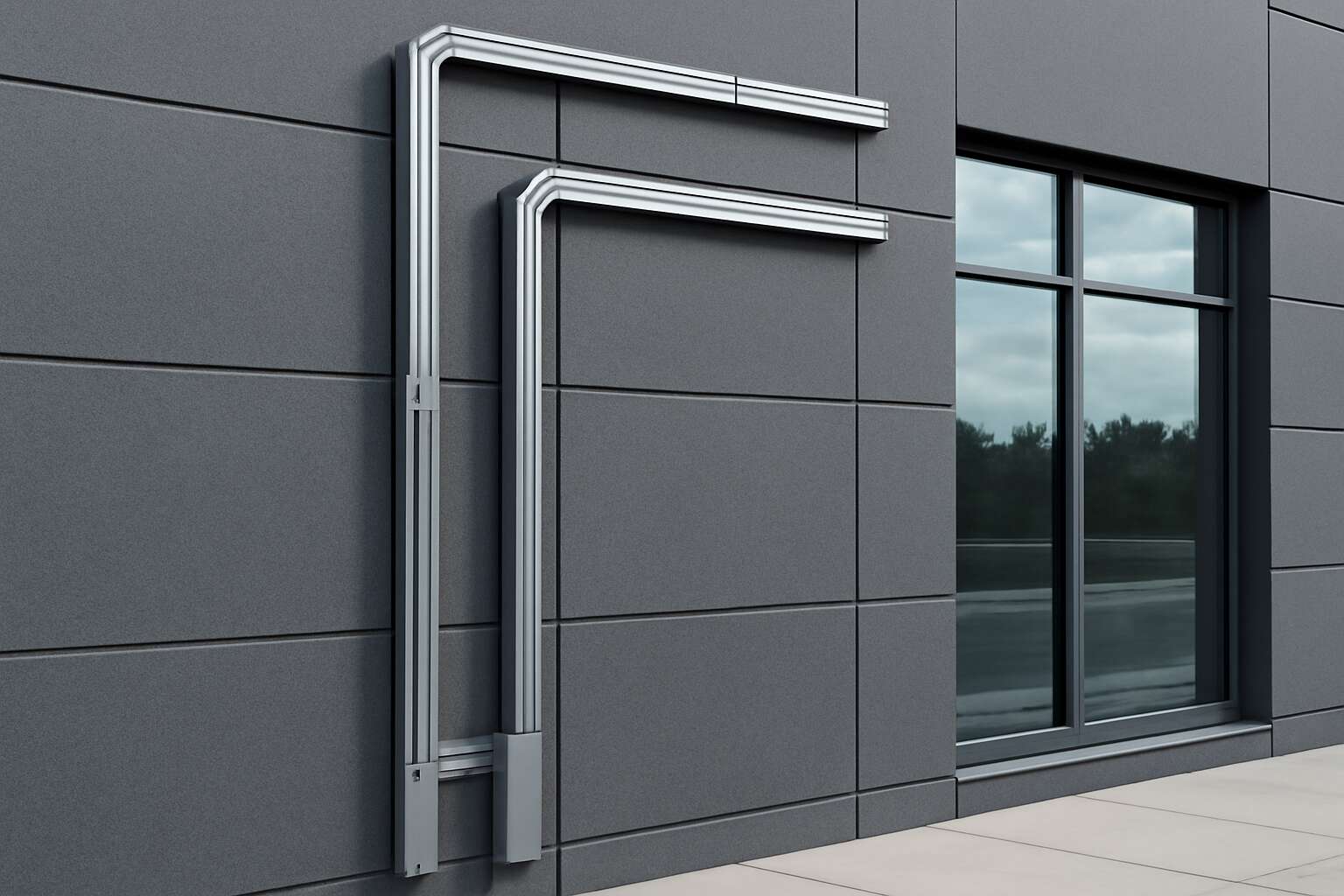
Understanding External Trunking Solutions
Types of External Trunking – Exploring different materials and designs, including plastic, steel, and aluminum options
In the world of electrical infrastructure, the choice of trunking external solutions can significantly impact both safety and aesthetics. With the right trunking external system, you not only protect vital wiring but also streamline installation processes—an often overlooked secret to project success. The variety of materials available today adds layers of versatility, allowing for tailored solutions that meet specific environmental demands. Manufacturers craft options from durable plastic, resilient steel, or lightweight aluminium, each offering unique advantages in different contexts.
Plastic trunking external is renowned for its cost-effectiveness and ease of installation, making it ideal for indoor applications where exposure to harsh elements is minimal. Conversely, steel trunking provides robust protection against physical impacts and tampering, perfect for high-traffic outdoor environments. Aluminium, on the other hand, strikes a delicate balance—light yet sturdy, with excellent resistance to corrosion.
- Plastic: economical and lightweight, suited for internal or covered outdoor areas
- Steel: heavy-duty and secure, ideal for exposed outdoor environments
- Aluminium: corrosion-resistant and stylish, suitable for modern external installations
Understanding the nuances among these materials allows for precision in choosing the optimal trunking external for your project, an essential step in ensuring durability and compliance in South Africa’s diverse climates.
Benefits of External Trunking – Protects cabling from environmental factors, enhances safety, and improves aesthetics
In the intricate dance of electrical infrastructure, the choice of trunking external solutions emerges as a silent guardian, shielding vital cables from the capricious whims of nature. These protective channels are not mere conduits but serve as the first line of defense against environmental elements such as rain, dust, and sunlight—elements that threaten the integrity of your wiring. Their presence elevates safety standards, reducing the risk of accidental damage or electrical faults that could disrupt operations or endanger lives.
Beyond safety, trunking external breathes aesthetic harmony into modern installations. Sleek lines and durable finishes transform what could be an eyesore into a seamless component of the urban landscape. Here’s what makes trunking external indispensable:
- Protection against environmental factors, ensuring longevity and compliance with South Africa’s diverse climate conditions
- Enhanced safety through secure housing of electrical cables, minimising risks of tampering and accidental damage
- Improved aesthetics, contributing to a tidy, professional appearance that withstands the test of time
Common Applications – Industrial facilities, commercial buildings, outdoor electrical installations, and infrastructure projects
External trunking solutions are vital components in a variety of settings, especially where durability and reliability matter most. In South Africa’s diverse climate, with its intense sun, heavy rains, and dust, selecting the right external trunking is crucial for maintaining safe and efficient electrical systems.
Common applications for trunking external are found across multiple sectors. Industrial facilities often rely on external trunking to protect extensive wiring networks in rugged environments, ensuring continuity despite harsh conditions. Commercial buildings utilize external trunking to streamline outdoor wiring runways, blending functionality with a professional appearance. Outdoor electrical installations, like street lighting and security cameras, depend on trunking external to shield cables from weathering, preventing costly damage over time. Infrastructure projects, such as roadworks and public transport systems, benefit from external trunking for their durability and ease of maintenance in high-traffic areas.
Understanding these applications clarifies why trunking external has become indispensable, not just for safety and aesthetics but for strategic infrastructure resilience. It’s a simple solution that underpins modern urban development while addressing environmental challenges head-on.
Design Considerations for External Trunking
Material Selection – Factors influencing choice such as weather resistance, durability, and cost
Choosing the perfect material for trunking external isn’t just about aesthetics; it’s a strategic decision rooted in practical considerations that can influence the longevity and safety of your electrical infrastructure. Weather resistance stands at the forefront—South Africa’s diverse climate demands a material that can withstand intense sun, heavy rains, and occasional freezing temperatures without warping or degrading. Durability becomes an essential factor, especially for outdoor applications exposed to the elements day after day.
Cost also plays a vital role. While premium materials like galvanized steel or anodized aluminum might initially seem costly, their longevity can outweigh upfront expenses, reducing the need for frequent replacements. The choice often boils down to a thoughtful analysis of these factors, balancing the durability against your budget. For instance, an external trunking solution that combines weather resistance and cost-efficiency can drastically improve project outcomes and operational safety.
- Weather resistance
- Durability under environmental stress
- Budget considerations for long-term investment
By meticulously weighing these factors, professionals can select an external trunking material that isn’t just functional but also resilient—standing resilient against South Africa’s ever-changing climate and ensuring the safety and integrity of electrical systems for years to come.
Size and Capacity – Determining appropriate dimensions based on cable volume and future scalability
In the shadowed corridors of electrical design, the size and capacity of *trunking external* demand a meticulous eye and a cautious heart. These aren’t merely containers for wires; they are the silent guardians of your infrastructure, shaping the future of your electrical landscape. The question—how to choose the right dimensions—transcends mere calculation. It embodies a dance with potential growth, unforeseen expansion, and the relentless march of progress.
To navigate this labyrinth, one must consider the volume of cables and the possibility of future scalability. An overly constrictive trunking external may seem cost-effective now but could transform into a prison for the cables in time. Conversely, an excessively generous trunking could invite unnecessary complexity and expense. Striking a balance requires understanding the current demands and envisioning the terrain ahead.
- Begin with an accurate assessment of the existing cable load, ensuring the trunking can accommodate current technical needs.
- Anticipate future expansion—additional circuits, upgrades, or new infrastructure—and select dimensions that can gracefully contain the burgeoning cables.
- Factor in environmental influences that might cause cables to expand or contract, affecting the trunking’s capacity over the years.
In the realm of *trunking external*, the size is not merely a matter of fitting wires; it is an act of foresight—a safeguard against chaos, a promise of resilience. With each measured decision, the silent guardians stand alert against South Africa’s tempestuous climate, whispering tales of durability and secure stability for years to come. Truly, in this gothic symphony of engineering, size becomes the silent ode to longevity and safety.
Installation Techniques – Best practices for mounting, securing, and integrating with existing structures
When it comes to installing *trunking external*, proper design considerations can mean the difference between a sleek, durable setup and a chaotic spaghetti mess. Mounting, securing, and integrating these conduits with existing structures isn’t just an afterthought — it’s a vital part of ensuring your electrical infrastructure stands the test of time and South Africa’s notorious climate. The key is to approach the task with a strategic mindset, blending professional expertise with a dash of ingenuity.
Secure mounting is fundamental. Using appropriate brackets, anchors, and supports prevents sagging or vibration, which can lead to damage over time. An often overlooked detail is ensuring the trunking external aligns with structural features, avoiding unnecessary stress points. To streamline installation, consider implementing numbered steps or a checklist, such as:
- Assess the type of the existing wall or structure.
- Select compatible fixing points and hardware.
- Ensure the trunking external is level and properly supported at regular intervals.
Integration with existing infrastructure should also be seamless. Running cables through trunking external demands careful planning to avoid sharp bends or overloads. Additionally, sealing joints and entry points with weather-resistant compounds can bolster durability against rain or extreme heat. When in doubt, employing high-quality mounting accessories not only simplifies the process but also preserves the integrity of your installation against South Africa’s unpredictable weather patterns. So, a thoughtful approach to placement, securing, and integration ensures the *trunking external* becomes an asset rather than an afterthought—a true silent guardian of your electrical landscape.
Aesthetic Integration – Ensuring the trunking complements building design and complies with standards
In the shadowed realm of electrical infrastructure, the aesthetic integration of *trunking external* emerges as an art form—balancing function with fleeting beauty. South African landscapes, with their tumultuous weather and rugged terrain, demand nothing less than craftsmanship that elevates utility into silent artistry. A carefully chosen design not only enhances the visual harmony of a building but also whispers stories of resilience and foresight.
When contemplating the *trunking external*, consider how it complements the architectural language of your structure. It should blend seamlessly with the façade, not clash with or disrupt the design rhythm. Material selection plays a critical role—aluminium, with its sleek elegance and weather-resistant qualities, often holds the key to a discreet yet durable solution. Conversely, steel or plastic may be chosen for their cost-effectiveness and robustness, but each influences the visual narrative differently.
Storytelling through design involves thoughtful placement.
- Aligning trunking in straight, deliberate lines
- Positioning it to follow the natural contours of the building
- Ensuring its presence does not overpower or diminish architectural charm
Meticulous size and capacity considerations further refine this harmony, preventing a podge of cables and ensuring future scalability without sacrificing aesthetic grace. In the end, *trunking external* becomes a guardian, not only shielding vital cabling from the elements but also elevating the building’s visual integrity amidst South Africa’s unpredictable climate.
Ventilation and Drainage – Ensuring proper airflow and water runoff management
In the hostile environment of South Africa’s landscape, where fierce storms and scorching sun are an everyday reality, the design of trunking external must go beyond mere aesthetics. Proper ventilation and drainage are essential to preserve the integrity of electrical infrastructure and prevent costly failures. An overlooked aspect of trunking external is ensuring optimal airflow—allowing moisture to escape and heat to dissipate. Without it, trapped humidity can cause corrosion, jeopardizing the system’s longevity.
Drainage considerations are equally vital. Effective water runoff prevents flooding and accumulation that can damage cables. Positioning trunking external in locations with natural water flow, along with integrated vents and drainage holes, reduces water ingress risk. The deployment of trunking external should incorporate a strategic plan—one that accounts for weather patterns and climatic variables—helping your infrastructure stand resilient amid unpredictable South African weather.
Incorporating ventilation and drainage into the trunking external design ensures both safety and durability. Think of it as giving your electrical system a breath of life—vital for long-term performance and aesthetics. Skimp on this aspect, and the elements could silently conspire to unravel your setup, turning silent utility into a chaotic maintenance nightmare.
- Assess environmental exposure—consider wind, rain, and temperature fluctuations.
- Design with purpose—integrate vents, sloped surfaces, and drainage points.
- Material choice matters—corrosion-resistant options like aluminium excel in outdoor settings.
Ultimately, thoughtful trunking external design transforms a simple conduit into a resilient guardian—standing tall against South Africa’s external forces while seamlessly blending into the building’s narrative. The secret lies in balancing airflow and water management, ensuring your electrical backbone remains unbreakable, silent, and enduring amid a landscape that refuses to stay still.
Installation and Maintenance of External Trunking
Step-by-Step Installation Process – Preparation, mounting, cable management, and safety checks
installation and maintenance of external trunking demand meticulous attention to detail, transforming a routine task into a seamless affair. The journey begins with comprehensive preparation—ensuring all tools, fasteners, and mounting surfaces are within reach, ready to bring order to chaos. When it’s time to mount, precision is paramount; align your external trunking carefully along the designated pathways, securing it firmly to withstand South Africa’s challenging weather conditions.
Cable management is an art that combines safety with aesthetics. As you lay cables within the trunking external, avoid tangles and ensure free airflow—an essential for outdoor installations requiring proper ventilation and drainage. To accomplish this, consider using cable ties and grommets that safeguard against environmental exposure.
Safety checks follow, where each connection, mounting point, and protective component is scrutinized. This multi-layered process ensures the integrity of the installation and advances its longevity. Regular inspection and maintenance uphold the effectiveness of your external trunking, safeguarding vital infrastructure against the relentless march of time and elements.
Troubleshooting Common Issues – Dealing with misalignment, leaks, or damage over time
Even the most meticulously installed trunking external can fall prey to the unpredictable whims of weather and time. Misalignment, leaks, or damage aren’t merely nuisances—they threaten the very integrity of your cable infrastructure. When outside elements decide to test your resolve, knowing how to troubleshoot common issues becomes invaluable. Luckily, a little vigilance and prompt action can save you from costly repairs and downtime.
Misaligned trunking external often invites pests and water ingress, especially when mounting isn’t perfectly straight. Keep an eye out for gaps or sagging, which can lead to leaks or even severe corrosion. Address these early by realigning and securing the trunking properly; sometimes, a simple adjustment is enough to restore its protective prowess.
Leaks are particularly insidious because they silently damage cables and foster corrosion. Inspect seals, grommets, and joints regularly—any compromised barrier should be replaced promptly to maintain an effective defense against environmental exposure. Damage from storms or vandalism may crack or dent the external trunking, requiring patching or replacement of affected sections.
In cases where damage or misalignment becomes pervasive, consider this:
- Assess whether the existing material’s durability is sufficient for your specific climate. Sometimes, a switch to a more weather-resistant material, like aluminum or steel, is necessary.
- Implement steps such as reinforcing mounting points, especially on surfaces prone to movement or vibrations.
- Take note of future scalability. Cracked or damaged trunking external should never be an excuse to skimp on capacity—overloading can cause deformation and leaks.
Addressing these issues promptly ensures your external trunking continues to offer its vital role—safeguarding infrastructure from the relentless assault of weather, pests, and time itself. After all, proper troubleshooting is the backbone of long-lasting external trunking installation.
Maintenance Tips – Routine inspections, cleaning, and repairs to prolong lifespan
In the realm of outdoor cable management, trunking external stands as a steadfast guardian against nature’s relentless forces. Yet, even the most robust system demands vigilant stewardship to preserve its strength and functionality. Routine inspections are the cornerstone of successful maintenance; they act like a vigilant eye, spotting subtle signs of wear before they escalate into costly disasters. Unclogging dirt, dust, and debris from the surface keeps the trunking external pristine, preventing erosion of protective seals that guard against moisture intrusion.
Regularly checking for signs of misalignment or damage is crucial. When mounted correctly, trunking external resists pests and water ingress, but a slight shift or crack compromises its integrity. An easy yet effective method involves conducting visual inspections for sagging or gaps—addressing these early often involves a few simple adjustments or resecuring clamps. For safety and longevity, it’s wise to keep an unordered list of maintenance essentials:
- Inspect seals, grommets, and joints regularly for integrity.
- Clean the surface with a gentle, non-abrasive cloth to remove accumulated grime.
- Check mounting points for signs of corrosion or loosening.
Repairs, when necessary, should be swift and precise. Damaged or cracked sections of the trunking external can become gateways for water and pests. Applying patching or replacing damaged segments preserves the overall enclosure, ensuring cables remain shielded from South Africa’s ever-changing climate. In the grand dance of outdoor cable protection, consistent upkeep transforms a fragile system into an enduring fortress—one that withstands the tests of weather, time, and external threat with unwavering resolve. Proper maintenance breathes new life into your external trunking, prolonging its vitality and securing your infrastructure’s future with seamless grace and resilience.
Compliance and Safety Standards – Adhering to local electrical codes and safety regulations
Adhering to local electrical codes and safety standards is not just a regulatory obligation—it is an ethical imperative that defines the integrity of any external trunking installation. In South Africa’s diverse climate, where sunshine, rain, and wind constantly test our infrastructure, compliance ensures that your outdoor cable management remains robust and safe. Proper installation and regular maintenance are essential to prevent hazards and safeguard the longevity of your external trunking system. When installing, precise mounting techniques, secure fastening, and thorough grounding are critical components to guarantee safety and functionality.
To uphold safety standards, it’s recommended to follow a structured approach. For example, inspect seals and joints after installation, ensuring they are correctly positioned and watertight. An unordered list of maintenance essentials can serve as a quick reference for ongoing care:
- Verify the integrity of seals, grommets, and joints periodically.
- Keep the surface free of dirt and debris with gentle cleaning methods.
- Check mounting points for signs of corrosion or looseness.
Remaining vigilant in these areas not only complies with standards but also unravels the silent, steadfast promise that your physical infrastructure endures. Neglecting these practices can compromise safety, leaving your cables vulnerable to the harsh elements and external threats. Every bolt, every seal in the trunking external deserves careful attention, because this small detail can prevent catastrophic failures and unnecessary hazards. When attention is paid to detail—from installation to routine upkeep—the external trunking transforms from mere conduit into an unyielding bastion against nature’s relentless assault, ensuring that safety and compliance are woven into its very fabric.
Tools and Equipment Needed – Essential tools for a secure and efficient installation
The meticulous art of installing trunking external is a testament to precision and foresight—an invisible shield that guards critical infrastructure from South Africa’s capricious elements. To ensure robustness and durability, the right tools are vital in transforming a mere conduit into an unyielding protector of cables and connections. Every bolt, every seam, demands unwavering attention, making the choice of equipment as crucial as the trunking external material itself.
Essential tools for a seamless installation include a high-quality drill, a set of screwdrivers, measuring tape, level, and appropriate anchors. Additionally, a rubber mallet can assist in securing fittings without damaging the material. For cutting and shaping, a handsaw or power saw tailored to the material (be it plastic, steel, or aluminum) will save time and prevent errors. Proper grounding clamps and sealant applicators round out the toolkit, reinforcing safety and water-tightness.
Given the complex variables at play—cable volume, potential future expansion, and environmental exposure—a structured approach ensures reliable results. Incorporating
- measuring devices
- fasteners
- grounding tools
into your toolkit can mean the difference between a resilient external trunking system and one prone to costly failure. When every component is meticulously chosen and expertly employed, the installation not only meets standards but becomes a resilient bastion—ready to withstand the relentless challenge of South Africa’s outdoor climate.
Choosing the Right External Trunking Supplier
Factors to Consider – Quality, certification, customer support, and warranty options
Choosing the right external trunking supplier can feel like navigating a labyrinth, but it’s crucial for ensuring a reliable and safe electrical setup. When evaluating potential providers, prioritize quality craftsmanship and robust certification standards. An external trunking that meets rigorous safety and environmental standards guarantees durability against South Africa’s diverse climate, from scorching deserts to humid coastlines.
Customer support is equally vital—an ideal supplier offers comprehensive assistance during the selection process, installation, and maintenance stages. Additionally, explore warranty options as a safeguard against unforeseen damage or defects; trustworthy suppliers often back their products with extensive warranties, reflecting confidence in their quality.
Remember, a well-chosen external trunking supplier doesn’t just provide components—they deliver peace of mind and lasting performance for your electrical infrastructure.
Comparing Brands and Products – Evaluating specifications, reviews, and pricing
When it comes to choosing a trunking external supplier, the stakes are higher than a Pretoria summer’s mercury levels. A quick scan of brands and products can feel like navigating a maze—except instead of Minotaur, it’s a labyrinth of specifications, reviews, and prices.
To cut through the chaos, start by evaluating each product’s specifications. Look for materials that strike a perfect balance between weather resistance and durability; after all, South Africa’s climate doesn’t do gentle. When comparing brands, reviews are your secret weapon—they offer an honest glimpse into real-world performance. Meanwhile, pricing needs to align with your budget, but beware the temptation of the cheapest option; quality and longevity often come with a premium.
Many reputable suppliers offer detailed product datasheets and customer feedback, which can light your way. Moreover, an ordered approach, such as a list of features that your ideal outdoor trunking must meet, ensures you stay on track during comparisons. Ultimately, whether you opt for steel, aluminum, or plastic trunking external, the goal is to find a product that stands resilient against the elements while fitting snugly into your project’s pocket.
Custom vs. Standard Trunking – When to opt for tailored solutions versus ready-made products
Choosing the right external trunking supplier can feel like navigating the vast veldt—challenging yet rewarding when you find what truly meets your needs. When considering custom versus standard trunking external solutions, it’s all about understanding the unique demands of your project and environment. Sometimes, off-the-shelf products are enough, especially for straightforward installations where time and budget are tight. However, when your project demands a tailored approach—perhaps due to complex specifications, specific aesthetic requirements, or harsh outdoor conditions—a custom solution might be the only way to go.
Custom trunking external options allow you to select materials and configurations that perfectly align with your project’s needs, ensuring resilience against South Africa’s unpredictable weather. For instance, heavy-duty steel or corrosion-resistant aluminum can be crafted specifically for high-humidity coastal areas or rugged industrial sites. Conversely, standard trunking external products are ideal for routine applications, offering affordability and quick deployment. Ultimately, the decision hinges on factors like environmental exposure, scaling needs, and long-term durability—elements crucial for safeguarding your cabling and maintaining safety standards.
Environmental and Regulatory Certifications – Ensuring compliance with international standards
Choosing the right external trunking supplier is more than picking a vendor—it’s about ensuring your project complies with stringent environmental and regulatory standards. In South Africa, where weather conditions can be unpredictable and regulations tough, partnering with a supplier that holds recognized certifications offers peace of mind. Certifications such as ISO 9001 for quality management and ISO 14001 for environmental stewardship signal a commitment to sustainable and safe practices.
Beyond certifications, verify that the supplier adheres to local safety standards and international electrical codes. Such compliance guarantees your external trunking will withstand harsh conditions while safeguarding personnel. An often-overlooked aspect is the supplier’s capacity for ongoing support. A supplier with robust regulatory adherence demonstrates accountability, which translates into reliable product performance and peace of mind in the long run. Ultimately, selecting a supplier that prioritizes these standards is a decisive step in safeguarding your cabling infrastructure—and your reputation.
Where to Buy External Trunking – Distributors, online marketplaces, and specialized suppliers
Finding the right external trunking supplier isn’t just about securing a quality product; it’s about forging a partnership rooted in reliability and compliance. In South Africa’s often unpredictable climate, from scorching heat to torrential rains, choosing a trusted source ensures your cabling infrastructure remains protected and functional. The ideal supplier will prioritize environmental and safety standards while offering a diverse range of trunking external options tailored to your project’s needs.
Where to buy external trunking? A wealth of options awaits, each with unique advantages. Distributors specializing in electrical infrastructure often stock reliable, certified trunking external designs that meet local and international standards. Online marketplaces have made procurement more accessible, offering competitive prices and a broad variety of specifications. Meanwhile, specialized suppliers provide tailored solutions, personalized support, and in-depth knowledge of compliance standards vital for South African projects. Look for providers that display robust certifications such as ISO 9001 and ISO 14001, ensuring their commitment to quality management and environmental responsibility.

0 Comments